Source Folding Thick Gymnastic Mat for Gymnasium, Park, and Community
Compare 30 listings of Folding Thick Gymnastic Mat designed for gymnasium, park, and community use. These mats feature heavy-duty steel frames, anti-skid rubber surfaces, and CE certifications for safe indoor and outdoor training.
Key considerations
Products List

Foldable Gymnastics Mat Thick 5cm EPE Foam Exercise Mat PVC Folding Workout Mat
$200.00 - $800.00
MOQ: 50 Pieces

Floor Mat Gymnastics Gym Training Exercise Mat Foldable Gymnastics Folding Yoga Mat
$200.00 - $800.00
MOQ: 50 Pieces


Tri-Fold Folding Thick Exercise Mat Folding Gymnastic Mat Foam Home Gym Mat
$12.80 - $12.90
MOQ: 100 Pieces


Custom Wholesale Foldable Multi Color Gymnastics Floor Mat for Exercise
$25.00 - $36.00
MOQ: 50 Pieces


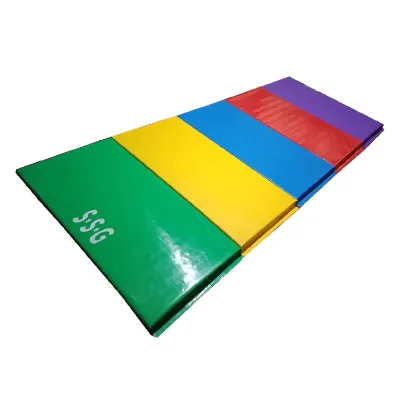
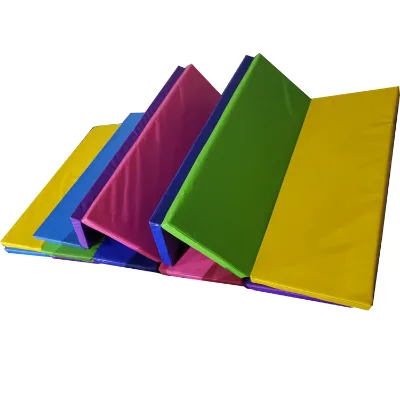


High Quality Athletes Folding Gymnastic Mat Foam Home Gym Mat Panel Mat
$24.00 - $26.00
MOQ: 30 Pieces


High Quality Athletes Folding Gymnastic Mat Foam Home Gym Mat Panel Mat for Gym
$24.00 - $26.00
MOQ: 30 Pieces

Comprehensive Sourcing Guide
Sourcing Guide for Folding Thick Gymnastic Mats
Understanding Technical Specifications and Dimensions
When sourcing folding thick gymnastic mats, buyers must first establish a clear understanding of the technical specifications that define product utility and safety. The core keyword implies a product designed for high-impact activities, requiring specific dimensional tolerances and structural integrity. Based on observed market data, these mats are frequently categorized by size, with "Big" and "Medium" designations appearing alongside precise metric measurements. The standard dimensions observed in the current supply landscape include configurations such as 180×60×5cm, 120×120×90×40cm, and 100x200x10cm. These variations suggest that the "thick" attribute is not uniform across all listings but is instead tailored to specific use cases, ranging from general training to specialized competition environments.
The structural composition is equally critical. The surface of these mats is often treated with anti-skid rubber on each section to ensure user stability during dynamic movements. The core material is frequently coated with leather, a choice that balances durability with tactile feedback. The frame construction, where applicable, utilizes heavy-duty steel tubes to maintain shape under repeated folding and unfolding cycles. Buyers should verify that the "folding" mechanism is robust, as some listings specify "Folded" states while others indicate "Not Assembled" or "Assembling" requirements. The presence of built-in handles on both sides is a significant feature for portability, particularly for mats intended for use in community centers, parks, or gymnasiums where frequent transport is necessary.
Compliance, Certification, and Safety Standards
In the B2B procurement of gymnastic equipment, compliance is not merely a formality but a fundamental requirement for liability management and user safety. The supply chain for these products often includes a variety of certifications that validate the manufacturer's adherence to international quality and safety standards. Observed certification data indicates that suppliers may provide CE marks, ISO9001, ISO14001, and OHSAS certifications. These documents serve as evidence of a manufacturer's commitment to quality management systems, environmental management, and occupational health and safety.
Furthermore, specific product certifications such as ISORoHS may be present, indicating compliance with restrictions on hazardous substances. For buyers operating in regulated markets, verifying the presence of these certifications is essential before finalizing any order. The safety features of the mat itself also contribute to the overall compliance profile. Many products in this category are designed with a "Protection Mat Around" the perimeter, a feature intended to mitigate injury risks during falls or landings. The condition of the product is consistently listed as "New," ensuring that buyers receive equipment that has not been previously subjected to wear and tear.
It is important to note that while certifications like CE and ISO are frequently cited, the specific scope of these certifications can vary by supplier. Buyers must request valid, up-to-date certificates for the specific batch of goods being purchased rather than relying on general claims. The origin of the products is predominantly listed as China, with specific manufacturing hubs like Nantong appearing in the data. Understanding the regulatory environment of the destination country is crucial, as import requirements may demand additional testing or specific documentation beyond the standard certifications provided by the supplier.
Cost Drivers and Pricing Dynamics
The pricing of folding thick gymnastic mats is influenced by a complex interplay of factors, including material quality, dimensions, customization, and order volume. The observed price range in the market spans from $1.60 to $10,000 USD, a variance that reflects the diversity of products available, from small portable units to large, heavy-duty competition-grade mats. Several key drivers contribute to this spread. The primary cost factor is the size and thickness of the mat. Larger dimensions, such as the 300×120×5cm or 240×120×5cm options, naturally command higher prices due to increased material usage and shipping volume.
Customization is another significant cost driver. The availability of OEM (Original Equipment Manufacturer) and ODM (Original Design Manufacturer) services allows buyers to tailor products to their brand specifications, including logo placement and specific color schemes. However, these customizations often come with higher unit costs and minimum order quantity (MOQ) requirements. The observed MOQs range from as low as 1 set to as high as 300 pieces, with specific examples showing MOQs of 2 sets, 50 pieces, or 100 pieces. Higher order volumes typically result in lower per-unit costs, making bulk procurement a strategic option for large organizations.
Packaging also plays a role in the final cost. The standard packaging for these mats often involves a "Safety 4 Layer Package" consisting of EPE (Expanded Polyethylene) and weaving sacks, or individual polybagging within cartons. This multi-layer protection is necessary to prevent damage during transit, especially for folding mats that must remain intact after being compressed. The logistics of shipping these bulky items, particularly those with heavy-duty steel frames, can significantly impact the total landed cost. Buyers should factor in freight charges, insurance, and potential tariffs when evaluating the total cost of ownership, rather than focusing solely on the listed unit price.
Typical Applications and Usage Scenarios
Folding thick gymnastic mats are versatile tools designed for a wide array of applications, catering to both professional and recreational needs. The primary usage categories identified in the market include racing, entertainment, competition, and training. This broad applicability suggests that these mats are suitable for diverse environments, from professional sports facilities to community centers and home gyms. The age group specifications further highlight this versatility, with products available for children, adults, and both groups simultaneously.
In professional settings, the mats are utilized for competition and training purposes, where precise dimensions and high safety standards are non-negotiable. The "Big" size variants are particularly suited for these environments, providing ample space for complex maneuvers and landings. In contrast, "Medium" sized mats are often preferred for home use, gymnasiums, and community parks, where space may be limited but safety remains a priority. The "Portable" nature of these mats, facilitated by built-in handles and folding mechanisms, makes them ideal for temporary setups, mobile training programs, and multi-purpose event venues.
The power source for these mats is typically manual, meaning they rely on human effort for operation and do not require electrical connections. This simplicity enhances their reliability and reduces maintenance requirements. The target audience includes unisex users, ensuring that the equipment is accessible to all genders. Whether used for gymnastics, cheerleading, martial arts, or general fitness, the Folding Thick Gymnastic Mat serves as a critical piece of infrastructure for safe physical activity. Buyers should align their procurement choices with their specific application needs, ensuring that the selected mat dimensions and features match the intended user demographic and activity level.
Supplier Evaluation and Quality Control
Selecting the right supplier is a critical step in the procurement process, requiring a thorough evaluation of their capabilities, reputation, and quality control measures. Buyers should prioritize suppliers who offer both OEM and ODM services, as this indicates a level of flexibility and technical expertise. The ability to customize products, including the application of logos and specific design modifications, is a strong indicator of a supplier's commitment to meeting client needs. Additionally, the supplier's location, such as Nantong in China, can provide insights into their logistical capabilities and proximity to raw material sources.
Quality control is paramount when dealing with safety-critical equipment like gymnastic mats. Buyers should verify that the supplier adheres to strict quality assurance protocols, evidenced by certifications like ISO9001. The condition of the product, consistently listed as "New," should be confirmed through pre-shipment inspections. The packaging standards, such as the "Safety 4 Layer Package," are also a reflection of the supplier's attention to detail and commitment to delivering undamaged goods.
When evaluating suppliers, buyers should consider the warranty terms, which in some cases are offered for 12 months. This warranty serves as a guarantee of the product's durability and the supplier's confidence in their manufacturing process. It is also essential to assess the supplier's response to potential issues, such as defects or damage during transit. A reliable supplier will have a clear process for handling claims and providing replacements or repairs. By conducting due diligence on these factors, buyers can mitigate risks and ensure a successful procurement experience.
Long-Term Procurement Considerations
Sourcing folding thick gymnastic mats is not a one-time transaction but part of a long-term strategy that requires careful planning and consideration. Buyers should evaluate the lifecycle of the product, including its expected durability and maintenance requirements. The heavy-duty steel tube frames and leather coatings are designed to withstand repeated use, but regular inspections are necessary to ensure continued safety and performance. The folding mechanism, in particular, should be checked for wear and tear to prevent failure during critical moments.
Inventory management is another key consideration. Given the variability in MOQs and the potential for seasonal demand fluctuations, buyers should develop a flexible procurement strategy that allows for scaling orders up or down as needed. The availability of customization options can also be a strategic advantage, enabling buyers to differentiate their offerings and build brand loyalty. However, customization often requires longer lead times and higher initial investments, so buyers must balance these factors against their immediate needs.
Finally, buyers should consider the environmental impact of their procurement decisions. Certifications like ISO14001 indicate a supplier's commitment to environmental management, which can align with corporate sustainability goals. The packaging materials, such as EPE and weaving sacks, should be evaluated for their recyclability and environmental footprint. By adopting a holistic approach to procurement that considers technical specifications, compliance, cost, applications, supplier reliability, and long-term sustainability, buyers can secure high-quality folding thick gymnastic mats that meet their operational needs and support their organizational objectives.
FAQs
What certifications do folding thick gymnastic mats typically have?
These mats commonly carry CE, ISO9001, ISO14001, OHSAS, and ISORoHS certifications. Buyers should verify specific batch documentation to ensure compliance with international safety and quality management standards before placing orders.
How are folding thick gymnastic mats packaged for shipping?
Standard packaging involves a Safety 4 Layer Package using EPE and weaving sacks or individual polybags in cartons. This multi-layer protection prevents damage during transit, especially for mats with heavy-duty steel frames.
Which dimensions are available for folding thick gymnastic mats?
Available sizes include 180×60×5cm, 120×120×90×40cm, and 100x200x10cm configurations. Specific dimensions like 240*120*5cm are also offered, allowing buyers to select sizes suitable for competition, training, or home use.
Can buyers customize logos and designs on these mats?
Yes, OEM and ODM services are available for customizing logos and designs. Buyers can request specific modifications, though customization often involves higher unit costs and varying minimum order quantities depending on the supplier.
What is the typical warranty period for these mats?
Some suppliers offer a 12-month warranty on folding thick gymnastic mats. This warranty guarantees product durability and reflects the manufacturer's confidence in the heavy-duty steel tube frames and leather coatings used.
How do MOQs vary for Folding Thick Gymnastic Mat orders?
Minimum order quantities range from 1 set to 300 pieces, with specific examples showing 2 sets, 50 pieces, or 100 pieces. Higher order volumes typically result in lower per-unit costs for bulk procurement.